A new phase: From opportunity to implementation
In the first phase of the project, Industriell Symbiose Haugalandet uncovered significant potential for synergies in the industry on Haugalandet through efficient resource sharing ( read the report here ). 21 potential symbioses were identified within surplus energy, water, by-products and infrastructure – solutions that can reduce both waste, costs and environmental impact.
Project manager Bjarte Børtveit presented the obstacles to realizing these: regulatory barriers, the need for even closer collaboration, and a lack of technical documentation of resource flows.
Now, Industrial Symbiosis Haugalandet is starting phase 2 to look more closely at these barriers. The phase includes two new projects: one will analyze residual resources to show what can be reused by other actors and how, while the other will develop the region's first guide to industrial symbiosis.
– Such collaborations create value for the companies and increase the attractiveness of the region. At the same time, we are dependent on third parties who can utilize these resource flows. Therefore, meeting places like this are crucial for building trust, sharing knowledge and finding concrete collaboration opportunities, said Børtveit.
The industry spoke out about the barriers
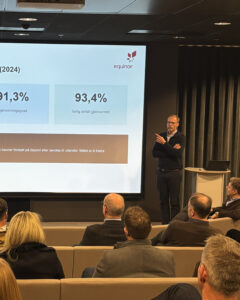
The industrial partners Hydro and Equinor shared experiences with the challenges they face when putting industrial symbioses into practice. A common theme was that once a material is defined as waste, it becomes part of a linear system that is difficult to break out of. Legal uncertainty means that actors are reluctant or simply not allowed to accept resources from others. The fact that materials are classified as waste stops many good initiatives.
Lars Ole Sikkeland from Equinor made the challenge concrete by pointing out that the Kårstø plant already recycles a great deal of its waste today. At the same time, he was able to point to specific value streams from the plant where regulatory and market barriers stand in the way of circular use.
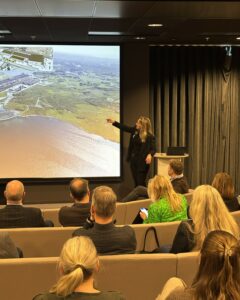
Hilde Sandvold Røsand from Hydro spoke about by-products with potential for further use that are currently sent to landfill because the regulations do not allow for otherwise.
Knowledge sharing and cross-networking
The kickoff meeting had a rich program, with several keynote speakers, discussions and workshops on the agenda. To realize industrial symbioses, several people must work together, which is why the invitation went out widely – to industry, the policy apparatus, research actors, authorities and other stakeholders.
During the day, participants split into two parallel workshops, where industry and business discussed their own resource flows, challenges and opportunities for linkages. In the second, authorities, policy instruments and other public actors worked on the question: how do we best facilitate industrial symbiosis?
Barriers such as lack of incentives were highlighted, but both groups also pointed to the need for concrete changes in frameworks and regulations. Therefore, today's knowledge sharing and networking across sectors was important for the way forward.
The day continued with various posts:
Lars Petter Maltby, Director of Prosess21, explained how Prosess21 works and emphasized that a common understanding between industry and authorities is important for the success of the industrial transformation. He also pointed out that the resource flows that are currently being wasted may contain critical components for strategically important supply chains in Europe.
Emelie Langemyr Eriksen from NORCE put symbiosis into a professional framework: it is not just about material exchange, but about a culture of collaboration. Due to geography, natural resources and industrial structure, there is also no one universal model for making this happen.
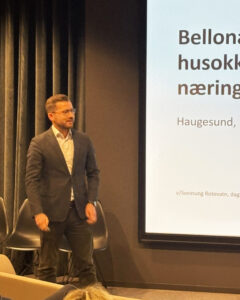
Sveinung Rotevatn, CEO of Bellona, gave a presentation about the organization's 40-year history and their work influencing environmental legislation, both nationally and internationally.
– We have to play well with each other
The day also included two different panel discussions that brought together different perspectives on how industrial symbiosis can be realized.
Hans Kristian Torske (Innovation Norway), Line Snøfugl Storvik (Siva), Terje Halleland (Næringsforeningen Haugalandet) and Tormod Andreassen (Næringsforeningen i Stavanger-region) discussed how we can succeed together. The message went both ways: industry needs faster and more adapted paths into the policy apparatus, and the policy apparatus in return needs concrete feedback on what should actually be invested in – and which obstacles need to be removed.
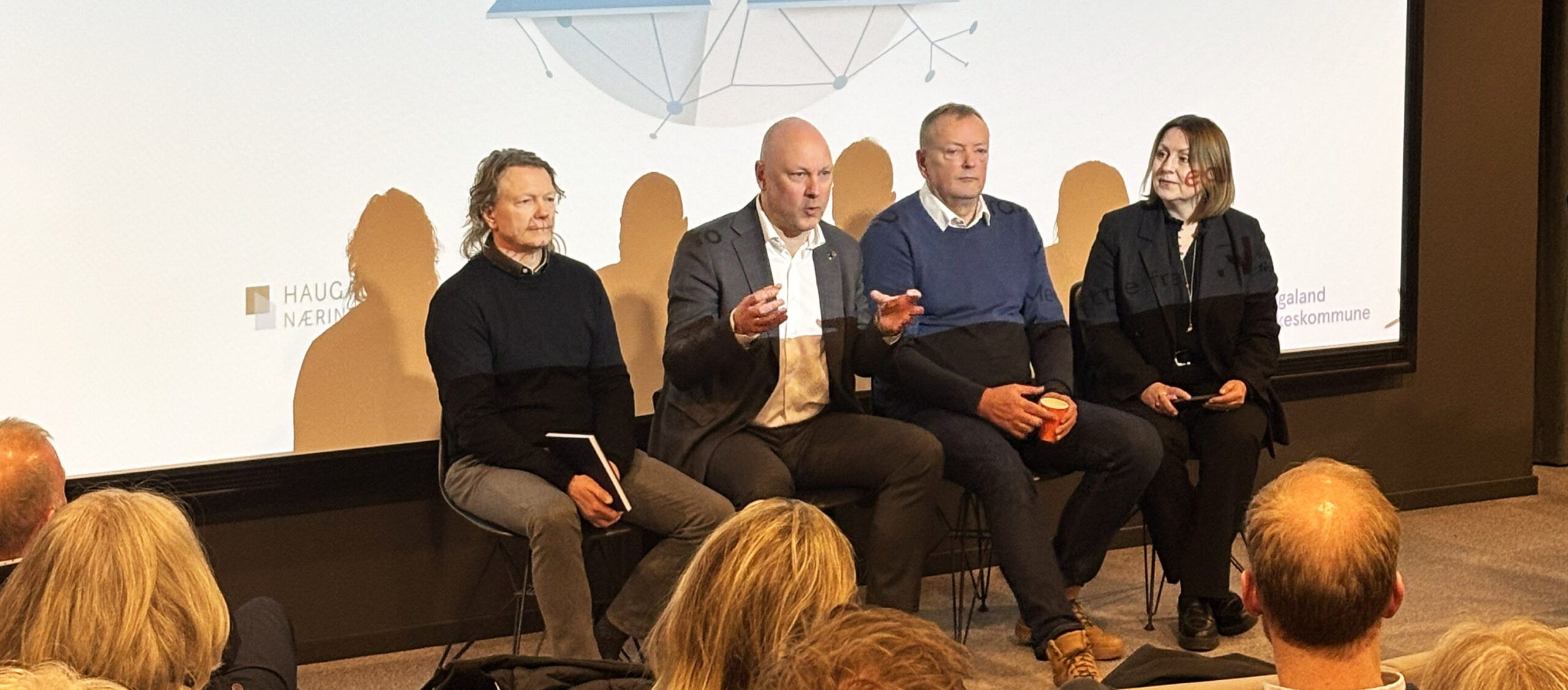
In conclusion, Storting politicians Ruth Mariann Hop (Ap), Sveinung Rotevatn (Bellona), Emelie Langemyr Eriksen (NORCE Research) and Lars Petter Maltby (Prosess21) were challenged on where we go from here. Hop, who belongs to the Rogalandsbenken and sits on the Industry Committee, was clear in her call to the industry: be specific about which framework conditions are missing or need to be changed, only then can we do something about it.
We thank everyone who participated, and look forward to the next gathering.
————————————
Industrial Symbiosis Haugalandet is initiated and led by Haugaland Næringspark and is carried out in collaboration with Eramet, Hydro, Equinor and Gassco, with support from Rogaland County Municipality and Innovation Norway. The event was carried out in collaboration with the Haugalandet Business Association and the Stavanger Region Business Association.